B2B loyalty is tricky. The buyer isn’t usually the end user, and the purchase cycles are long and relationship-driven.
That said, some B2B companies are making it work extremely well.
When B2B loyalty makes sense
It works best when:
- There’s a real human making repeated buying decisions
- The relationship has emotional or status components
- You can create meaningful, non-cash rewards
Industries seeing success:
- Wholesale food & beverage distributors
- Building materials and contractor suppliers
- Office supply / MRO distributors
- Some professional services firms
What actually moves the needle
Effective tactics:
- Volume-based tiered rewards that feel prestigious
- Experiences (not just discounts) — dinners, events, training
- Early access to new products or better terms
- Recognition programs (publicly celebrating top customers)
The winners treat B2B loyalty more like a relationship and status game than a points game.
The reality check
B2B loyalty is not a silver bullet. In many cases, just being excellent at the basics (product, price, service, relationship) still beats a fancy program.
But when done right, it can create real switching costs and emotional preference in categories that are otherwise commoditized.
In B2B, the best loyalty programs don’t feel like marketing. They feel like an exclusive club your best customers are genuinely proud to be part of.
Try it free
Run a loyalty program in 60 seconds
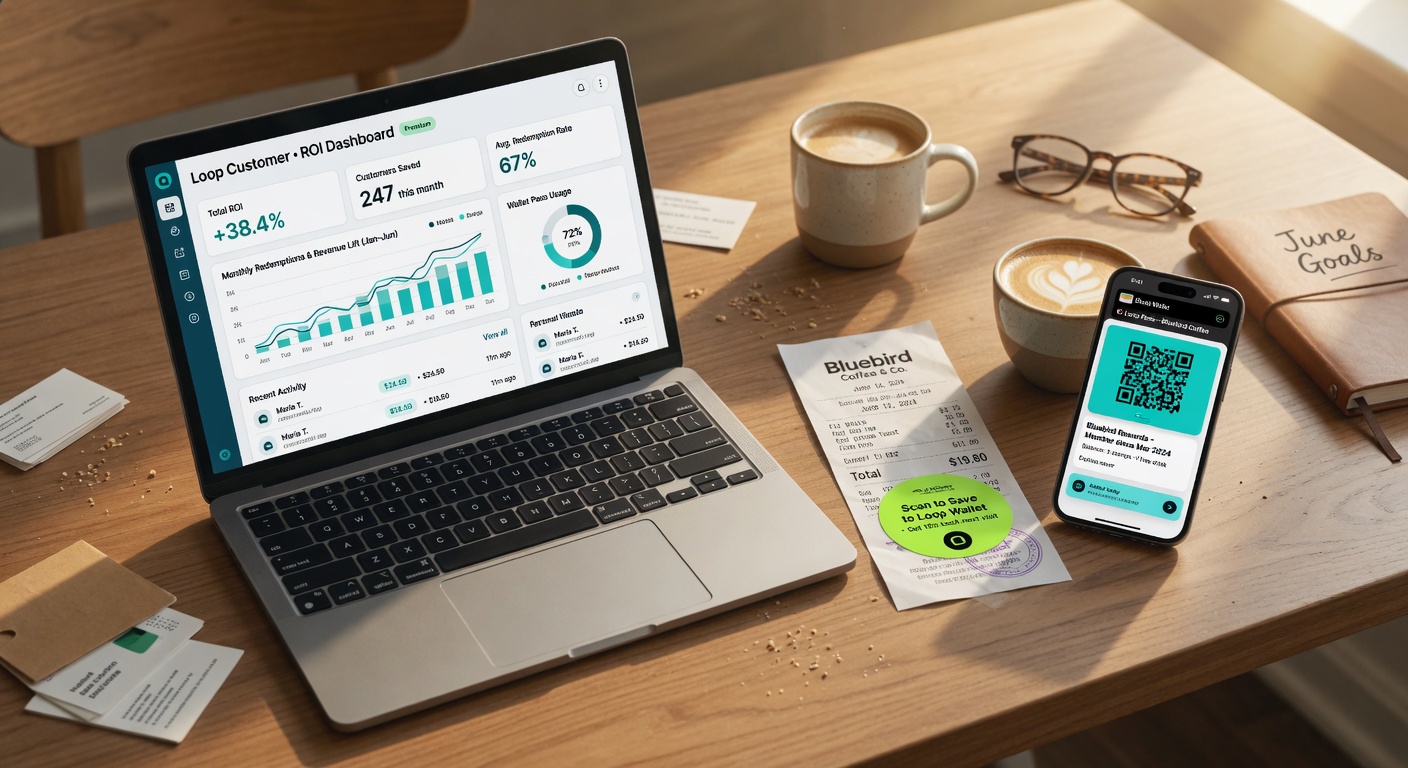
Loop Customer turns a QR code into a stamp card your customers keep in Apple Wallet or Google Wallet — no app, no POS integration.
Start free at loopcustomer.com/signup