
Buy 9 Get 1 Free: The Math Behind the Most Popular Loyalty Reward
Why buy-9-get-1-free has dominated loyalty for decades, the behavioural economics behind it, and when you should tweak the ratio for your own shop.
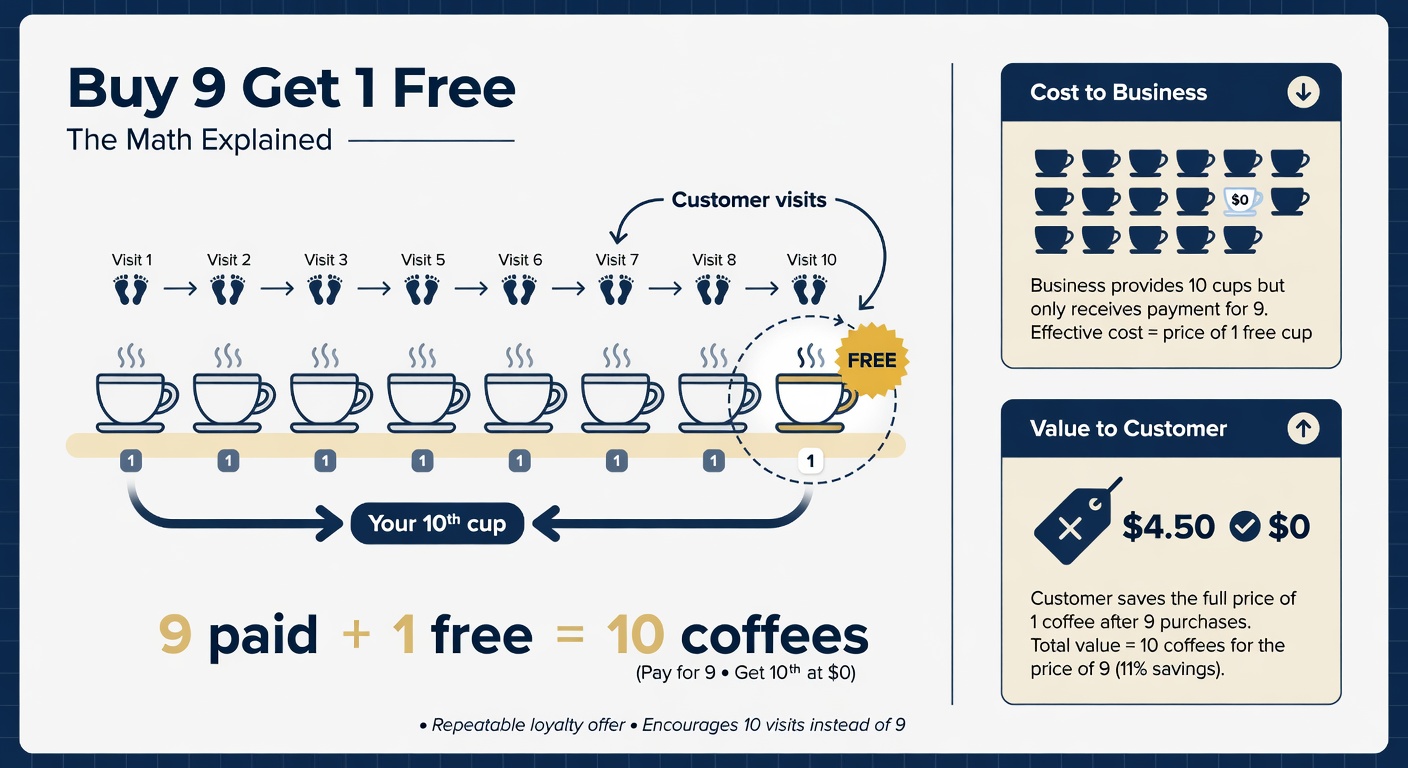
Buy 9 get the 10th free is not popular because it is creative. It is popular because the math works for both the customer and the business.
Why the 9+1 ratio wins
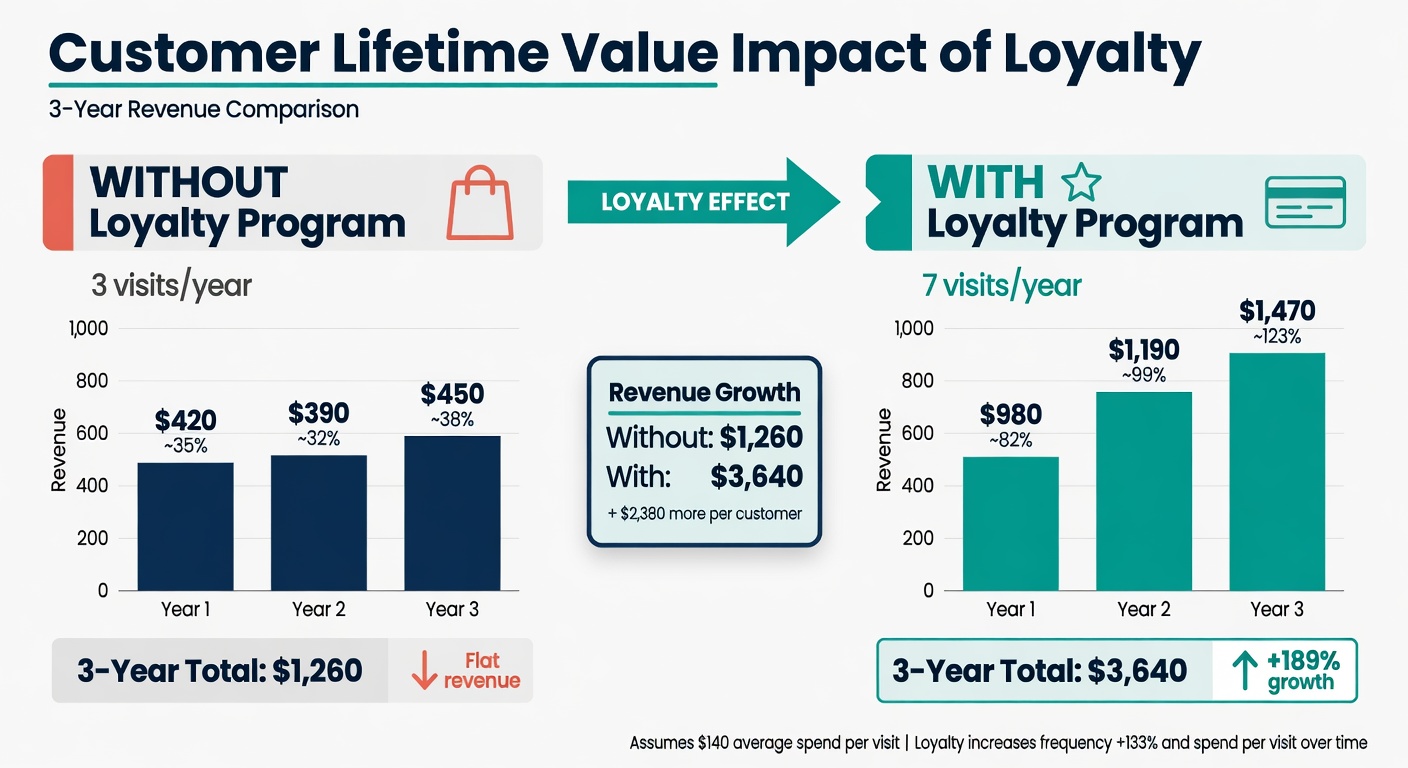
For the customer:
- It feels achievable (9 visits is roughly 2-3 months for a regular)
- The free item feels like a real prize, not a token discount
- The progress is easy to understand at a glance
For the business:
- You give away one item after roughly 9-10 paid visits
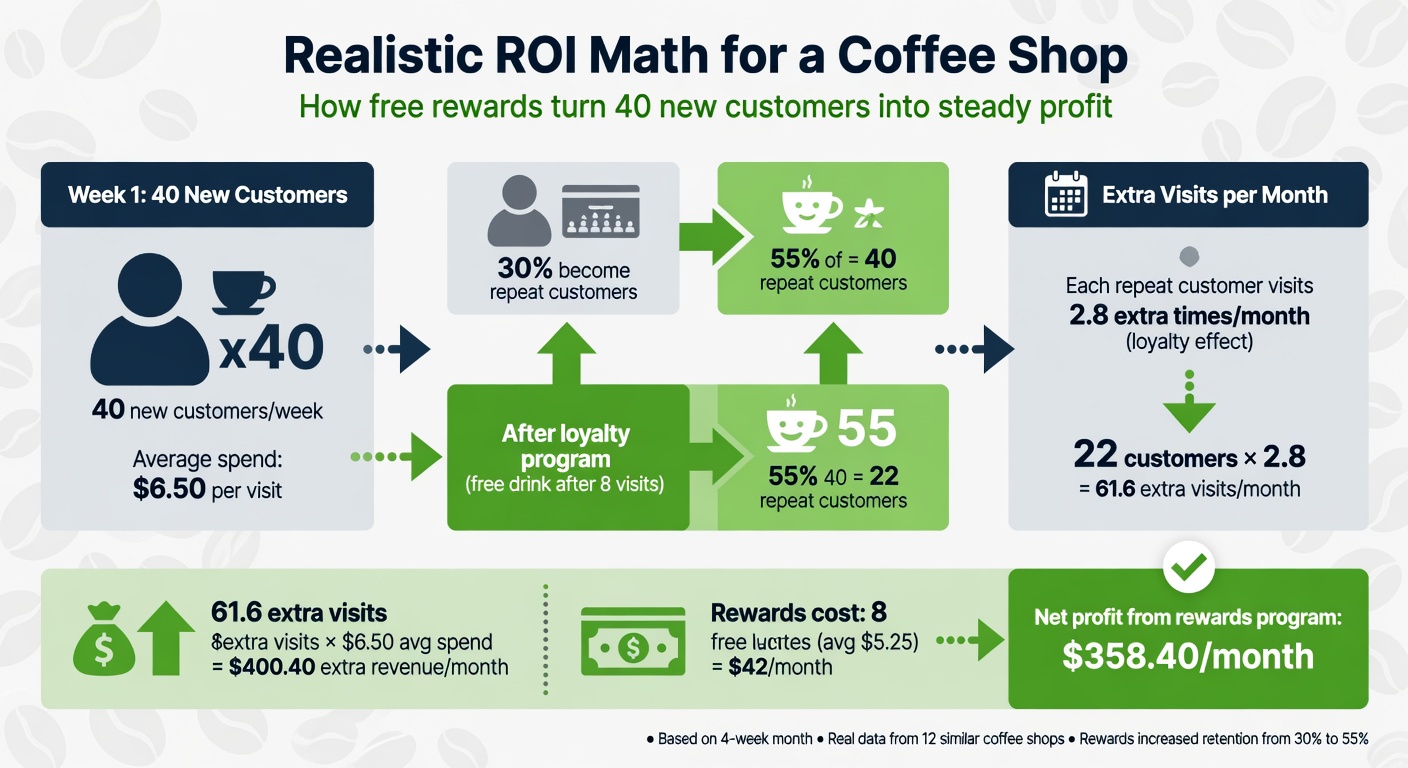
- The gross margin on the free item is more than covered by the 9 paid visits you would not have had otherwise
- The customer is locked in for those 9 visits
When to change the ratio
Coffee shops and quick-service: 9+1 or 10+1 is almost always best.
Higher ticket services (haircuts, facials, massages): Consider 5+1 or 6+1 because the absolute value of the free item is higher and the purchase cycle is longer.
Retail boutiques: Points-per-dollar (e.g. 1 point per $1, 100 points = $10 off) often works better than pure visit counting because basket sizes vary.
The hidden psychology
People are dramatically more motivated by "almost finished" than by "just starting". This is called the goal-gradient effect.
A customer who has 7 stamps is much more likely to come back for the 8th and 9th than a new customer is to get their first 3.
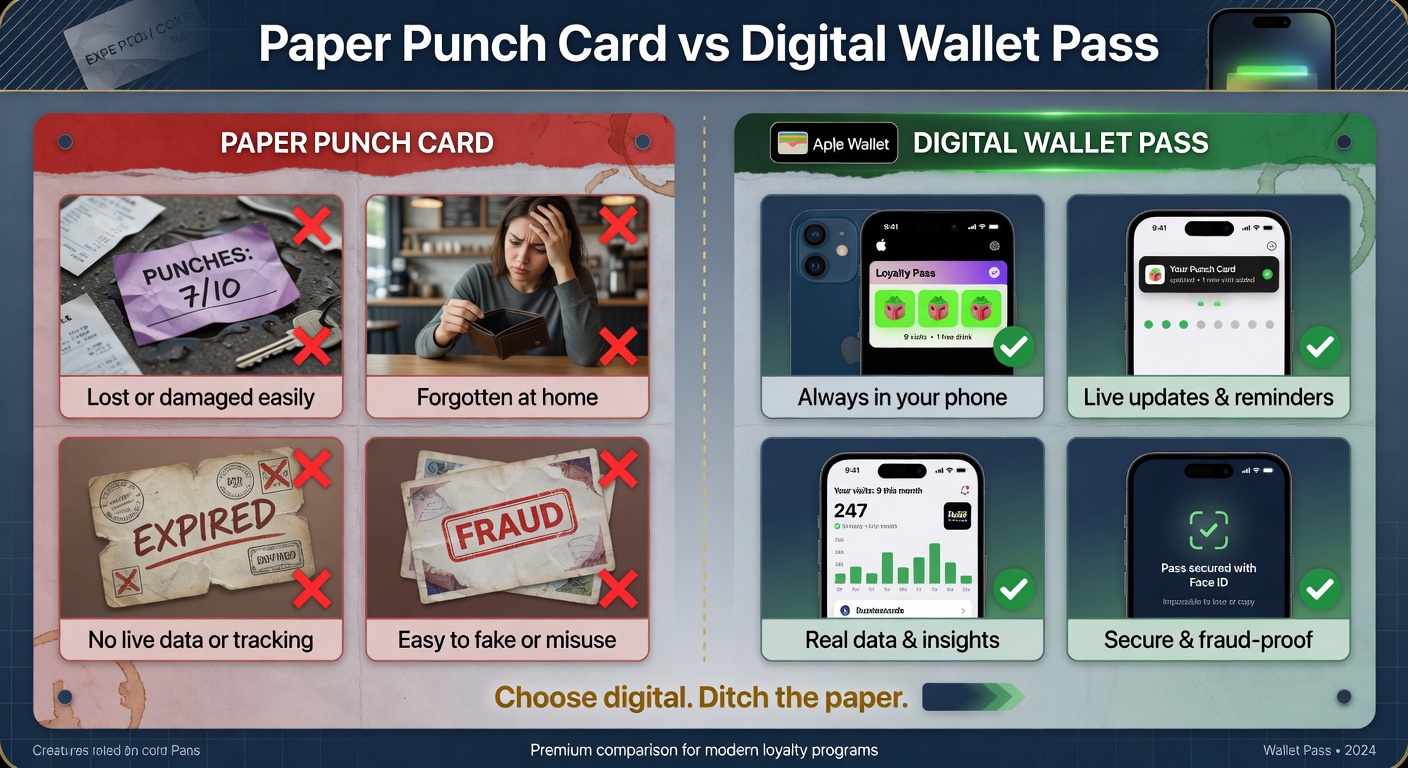
This is why visible progress (the stamp count in the wallet pass) is so powerful. They can see the finish line.
Design your ratio so that the last 2-3 stamps feel like the most important ones in the entire program.
Try it free
Run a loyalty program in 60 seconds
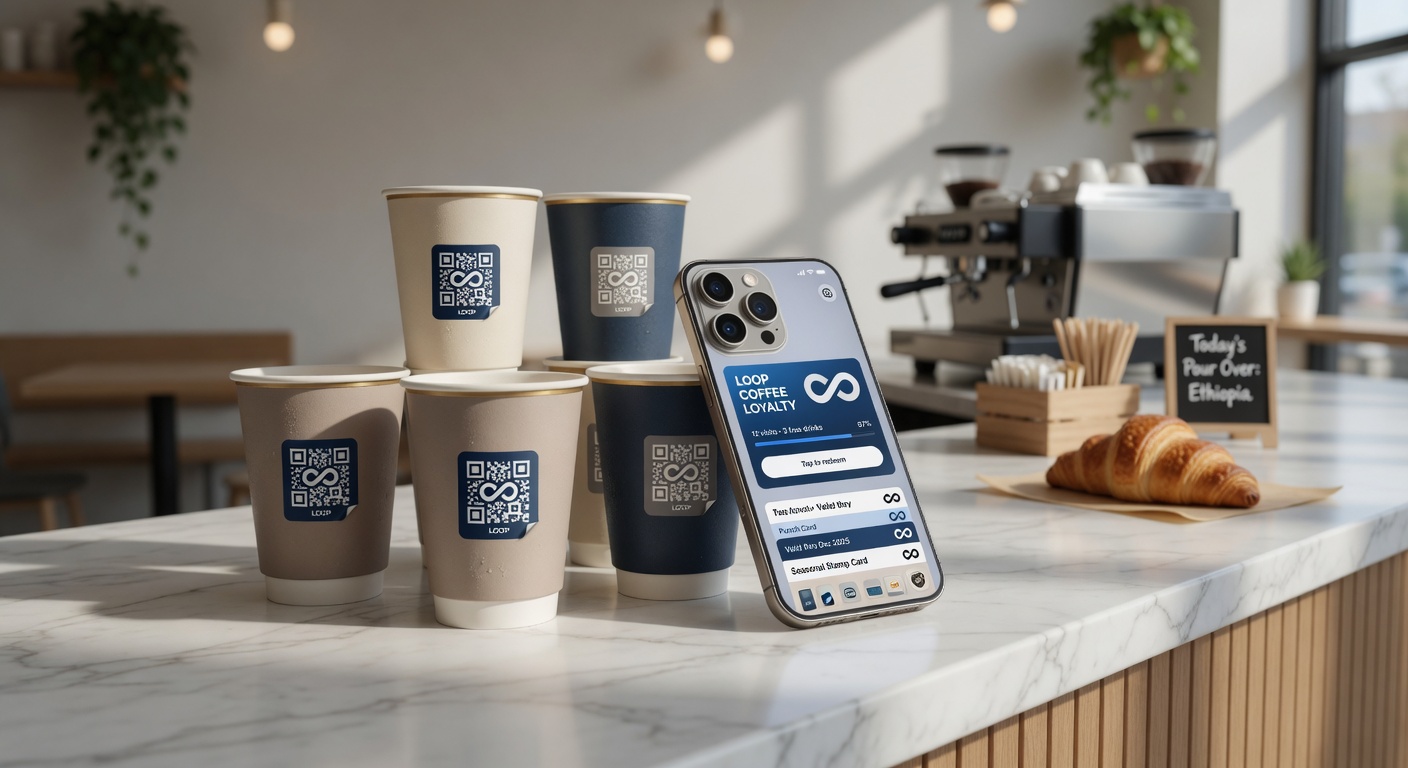
Loop Customer turns a QR code into a stamp card your customers keep in Apple Wallet or Google Wallet — no app, no POS integration.
Start free at loopcustomer.com/signup